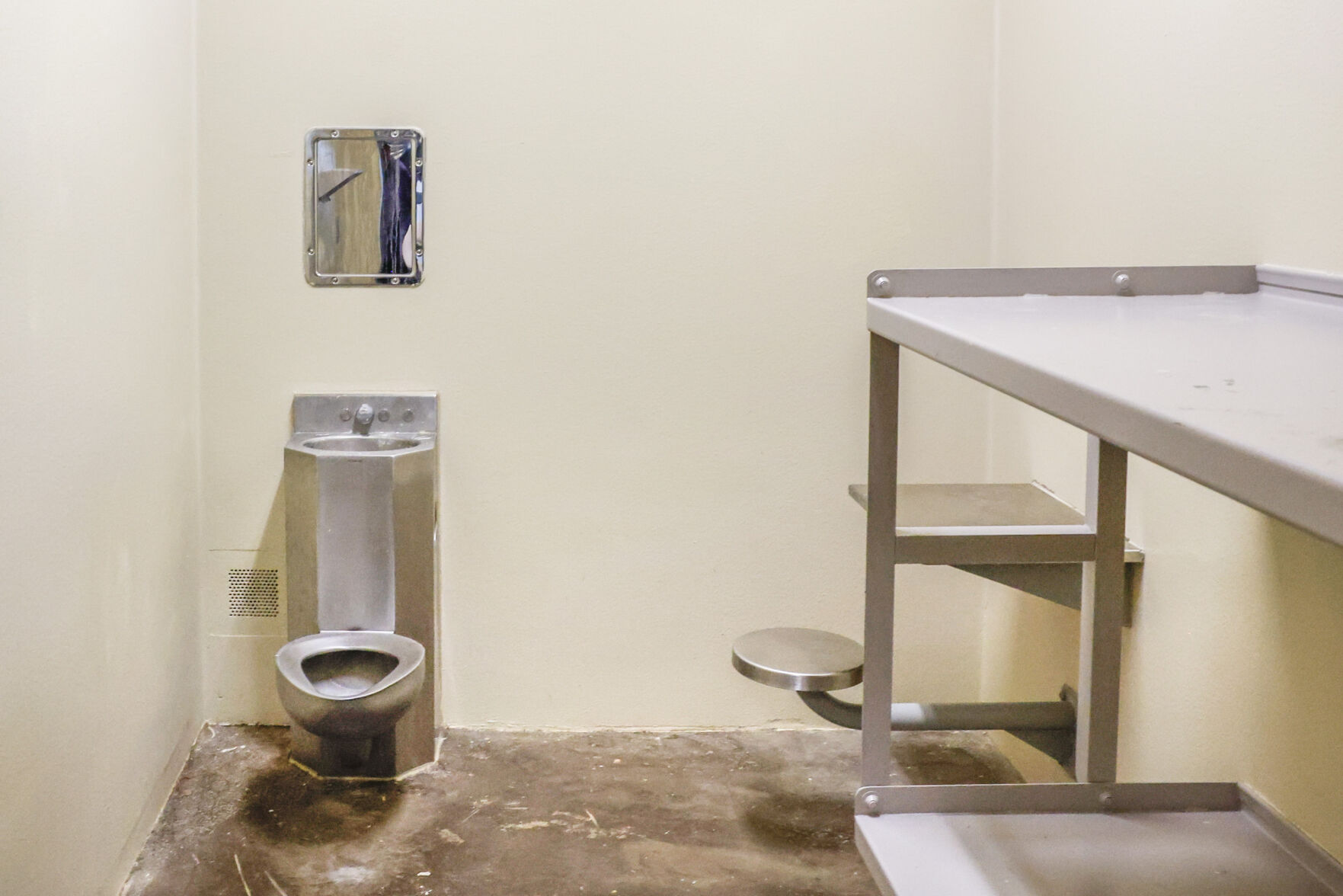
Recently, Carmel Rhodes died in the New Orleans jail, a jail under federal oversight since June 2013. This is not the first death in the jail since then; it’s the 26th.
Our city confronts death all the time. We mourn our loved ones in public. We gather for meals, homegoings and second-lines. And together, we share our understanding of how that person lived and died. Yet, when someone dies in our custody in a jail, we know very little.
Orleans Public Defenders and Loyola College of Law are currently working on a project to understand how and why 23 people died in the New Orleans jail between 2014 and 2024. Much is left to be answered, but what we know so far is concerning. At least six deaths occurred within 48 hours of booking. Eighty percent of the people who died were Black. Nine people were still waiting on the district attorney to accept or refuse charges at the time of their death. Nearly all never had a judge or jury determine their innocence or guilt. People continue to die in custody, despite building a new $150 million jail that opened in September 2015. And no one — not the sheriff, the city council, the district attorney, the coroner, the mayor or the police superintendent — has publicly looked at all of these deaths collectively to figure out what went wrong and why.
There should be a full investigation into Carmel Rhodes’ death in jail. That means going beyond the direct cause and manner of death to examining the events, policies and laws that led to his demise. We as a community deserve answers. That means that any investigation must be a public process that provides accountability, builds trust and prevents future deaths in the New Orleans jail.
ANDREA ARMSTRONG
Loyola University New Orleans, College of Law
DANNY ENGLEBERG
Orleans Public Defenders